

The structure of a classic rug is well-defined: a medallion in the center, a border along the edges, and repeating motifs in the field between them. This arrangement isn't just decorative; it's functional. The rug is designed to mark the center of a seating area and frame the room. We list 5,388 models that follow this traditional layout.
What are medallions and borders for?
The medallion anchors the visual center of the room; you'll instinctively know where the coffee table should go and how the sofas should align without needing to measure. The border, on the other hand, clearly defines the rug's edge, sharpening the transition between the floor and the wall. In smaller rooms, models with thin borders won't overwhelm the space; in large living rooms, a thick border prevents the rug from looking lost.
Classic or distressed: decide in two questions
Since both collections draw from the same design family, choosing can seem difficult, but two questions are enough:
- Do you want the pattern to be clearly visible? If yes, choose classic; if you prefer the pattern to recede into the background, opt for distressed rugs.
- Is your furniture simple? With solid-color and simple furniture, a classic rug adds character to the room; if you have carved, patterned furniture, softened surfaces will look more harmonious.
Symmetry also determines placement
Because the pattern in a classic rug is symmetrical, its placement should also be symmetrical: keep the medallion centered, and ensure the front legs of your furniture rest on the rug. If one edge of the rug is against a wall and the other is free, the medallion will shift off-center, and the pattern won't achieve its purpose. You can confirm the correct spacing with our rug size calculator. Models are primarily machine-woven from polyester and polypropylene; shipping is 1-3 business days, 14-day unconditional returns, and a 12-month manufacturer warranty apply. Maintenance steps are compiled in our rug care guide.
Do classic rugs only suit classic furniture?
No; the opposite is often true. A classic rug beneath a modern, solid-color sofa set becomes the most striking piece in the room. Problems arise when both the rug and furniture are heavily patterned.
Will placing a coffee table over the medallion obscure the pattern?
Yes, it will. This is why models with large medallions are often preferred in areas like dining rooms and entryways, where the center remains open. If you're using a large coffee table in the living room, a model with a smaller medallion or a dense all-over pattern would be a better choice.

Modern Red Anatolian Patterned Polyester Digital Print Kitchen Rug
Choose your option

Blue Petroleum Geometric Modern Living Room Rug Polyester
Choose your option
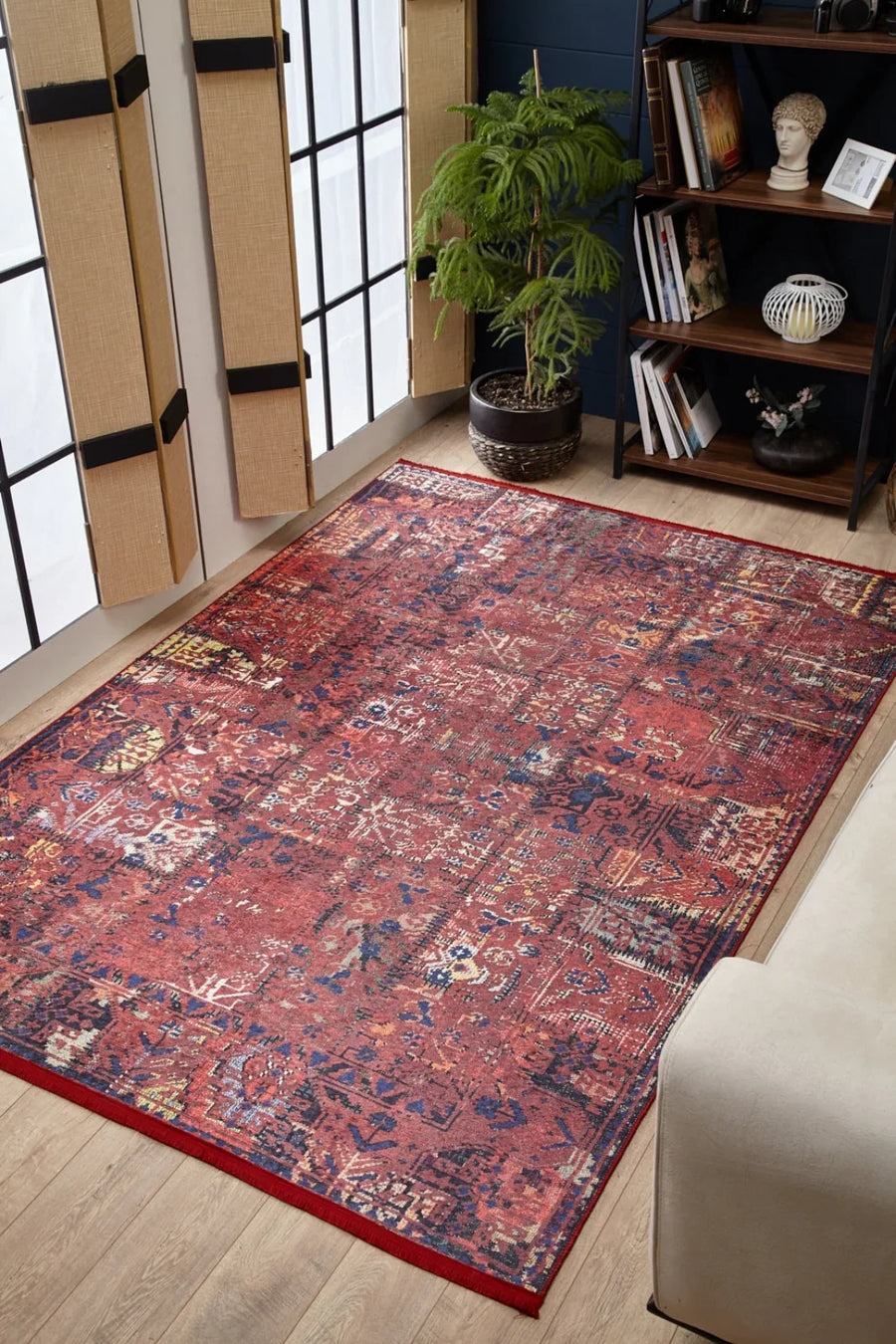
Red Blue Distressed Living Room Rug Traditional - Polyester
Choose your option
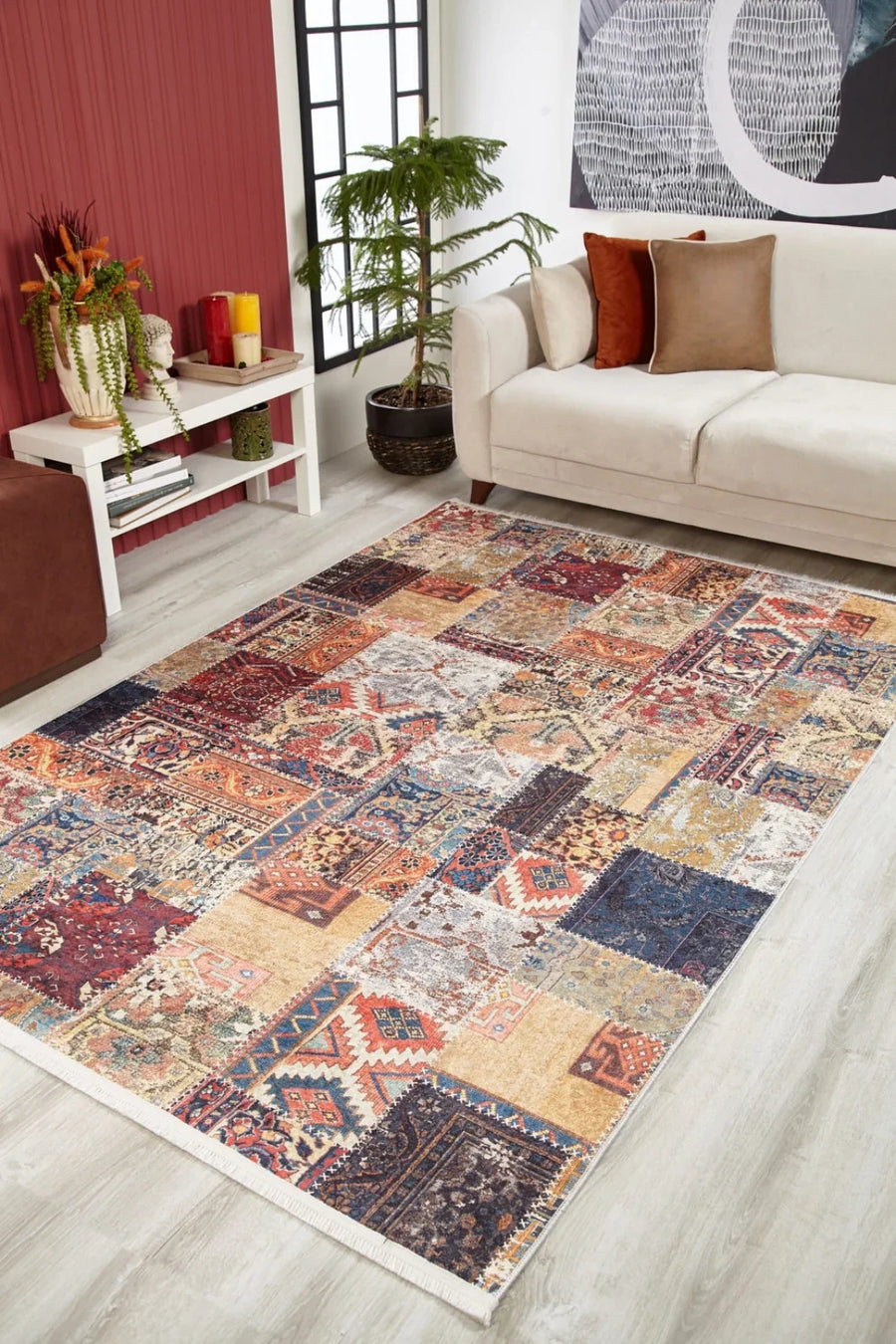
Red Orange Distressed Patchwork Living Room Rug - Polyester Machine Woven
Choose your option
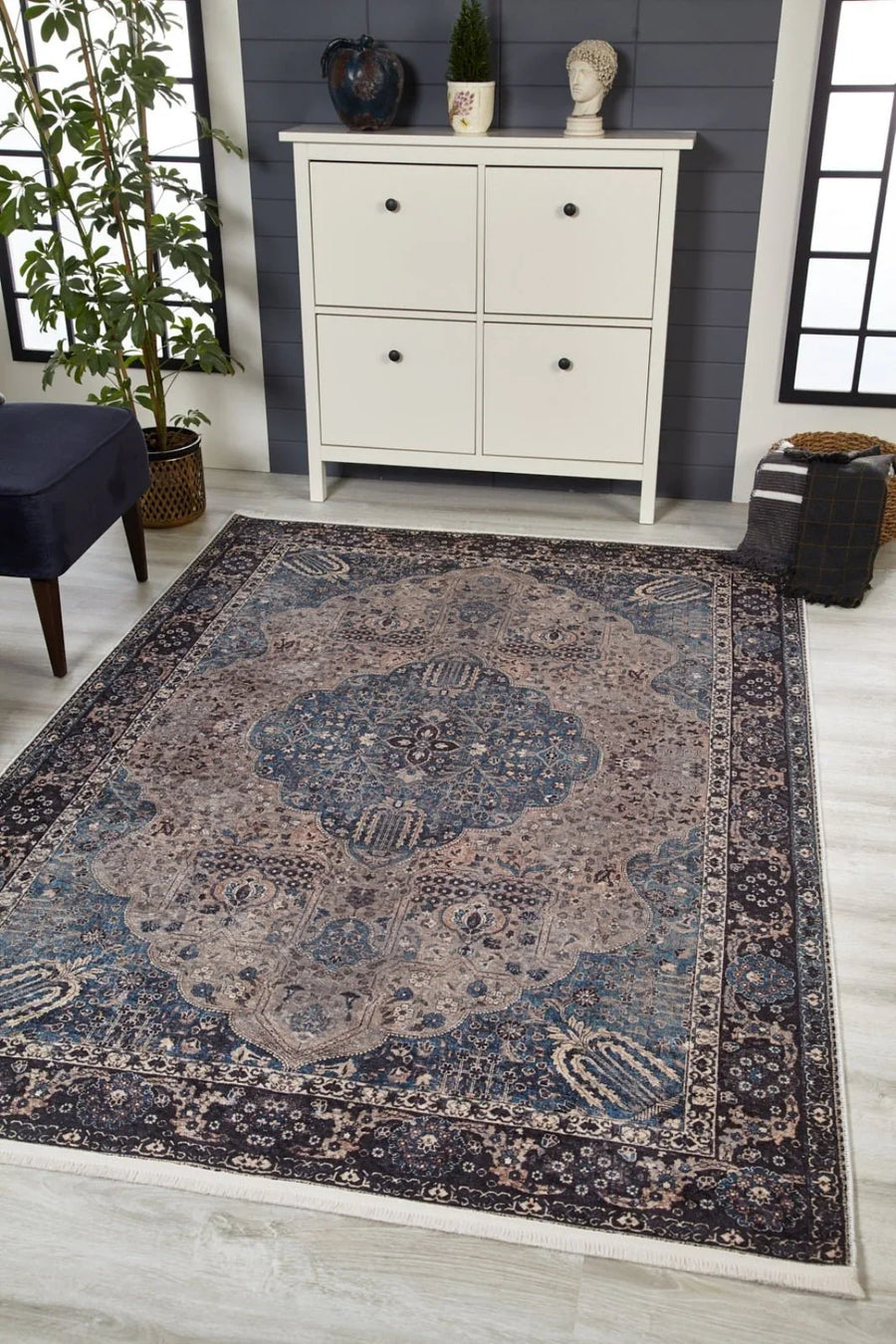
Blue Gray Distressed Medallion Living Room Rug - Polyester
Choose your option


Burgundy Blue Geometric Modern Living Room Rug Polyester
Choose your option


Orange Black Distressed Living Room Rug - Polyester Machine Woven
Choose your option
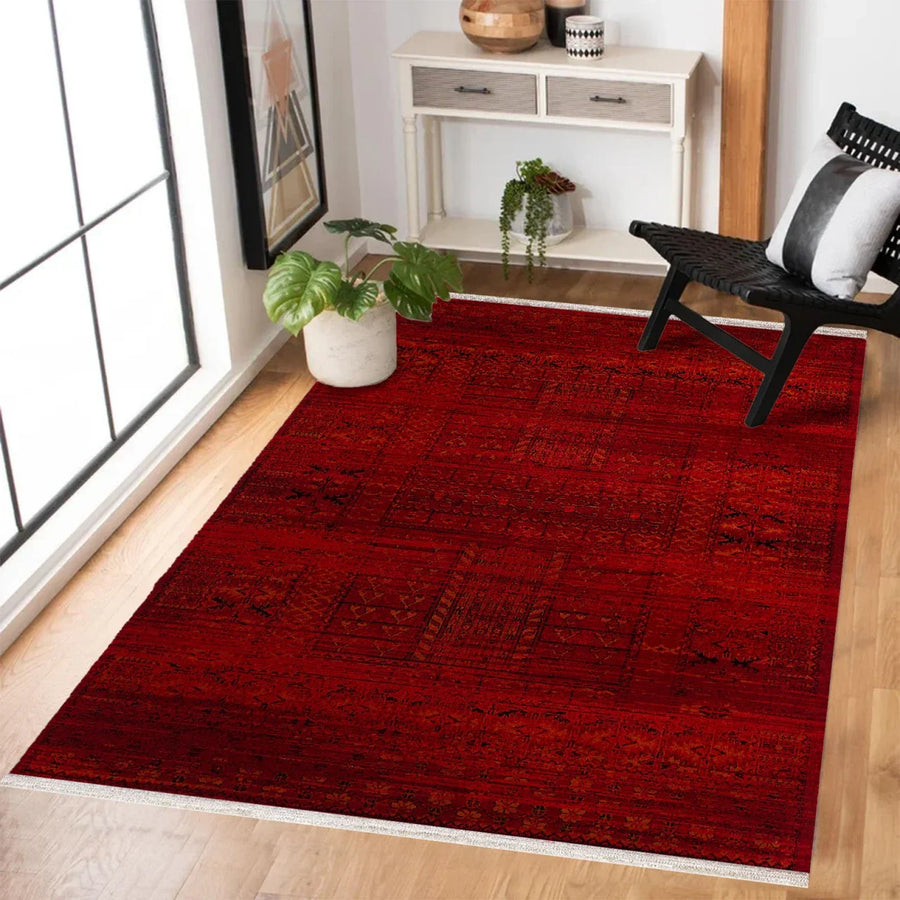

Red Ethnic Patterned Rectangular Decorative Rug
Choose your option


Light Gray Gray Classic Bedroom Rug - Cotton
Choose your option


Cream Beige Modern Geometric Living Room Rug Greek key - Cotton
Choose your option


Beige Cream Classic Medallion Bedroom Rug - Cotton
Choose your option


Orange Beige Distressed Bedroom Rug - Cotton
Choose your option


Cream Beige Classic Living Room Rug Scroll - Cotton
Choose your option


Red Blue Distressed Ethnic Geometric Living Room Rug - Polyester Digital Print
Choose your option


Black Red Bohemian Floral Bedroom Rug Rose and Flower - Polyester
Choose your option


Dark Coffee Red Distressed Bedroom Rug - Polyester
Choose your option


Brown Medallion Living Room Rug - Polyester Vintage
Choose your option


Red Damask Patterned Living Room Rug Polyester
Choose your option
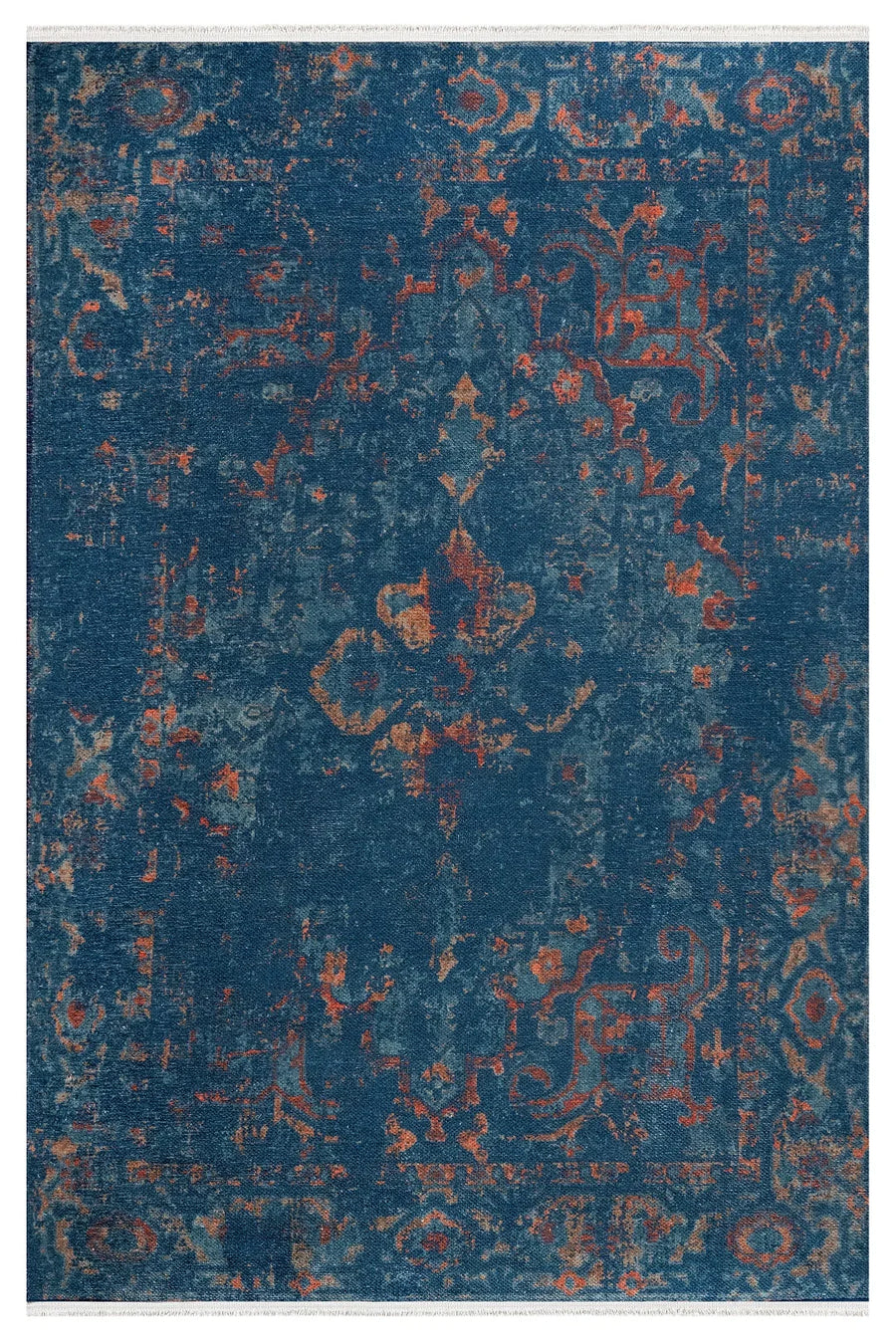

Indigo Orange Distressed Living Room Rug - Cotton
Choose your option


Black Orange Bohemian Medallion Bedroom Rug - Polyester Machine Woven
Choose your option


Red Ethnic Patterned Polyester Decorative Rug
Choose your option


Red Navy Blue Classic Living Room Rug Oriental - Polyester
Choose your option


Red Tribal Patterned Living Room Rug Polyester
Choose your option

