
Polyester Rug Models
5,520 stylesWhen a rug is described as “stain-resistant,” it usually refers to polyester fibers, and in this case, there’s a real mechanism behind the claim. Because the fiber is water-repellent, water-based liquids cannot penetrate the body; they remain on the surface as droplets. This means you have a few minutes to intervene. Our collection features 5,060 polyester models.
Water-based stains are not the same as oil-based stains
It’s important to be honest here: polyester’s resistance is selective. It performs very well against tea, juice, and muddy water; however, it works in the opposite way with olive oil, butter, and cosmetic oils—the fiber loves oil, and if not addressed quickly, oil can adhere to the surface and become permanent. The first step for an oil stain is not water, but an absorbent powder or dry cloth; further details are available in our care guide.
Take heat limits seriously
Polyester is a fiber that requires caution when exposed to heat. High-temperature ironing, hot steam machines, or use too close to a stove can melt the fiber tips, leaving a shiny and hard area. This mark is irreversible; therefore, do not exceed the washing temperature instructions provided on the product page.
The most frequently overlooked weakness: crushing
Polyester’s true weakness is not staining, but permanent crushing. Under heavy furniture and high traffic, the surface can flatten over time and will not recover like wool. Rotating the rug a few times a year and placing wide coasters under heavy furniture legs will significantly distribute this impression.
What does recycled yarn mean?
In some polyester rugs, the yarn is produced from fibers obtained from used PET packaging. There is no noticeable difference in touch or durability compared to first-generation polyester; the difference lies in the source of the raw material. If a product has this feature, it will be stated in its description; do not make assumptions for products where it is not specified.
Are polyester and micropolyester the same fiber?
The raw material is the same, but the fiber fineness differs. In standard polyester, the fibers are thicker: the surface appears firmer, it’s easier to clean, and the balance between durability and price is simpler. If you are looking for a softer and denser surface, you should switch to the micropolyester group; we have explained the difference in detail there.
Is a polyester rug really easy to clean?
Yes, for water-based stains. For routine care, regular vacuuming is often sufficient; products come with a 12-month manufacturer warranty.
Is the product made only of polyester?
Blends are very common; models mixed with cotton or viscose are not rare. Do not make care decisions without reading the composition line.


Geometric Pattern Blue and Grey Modern Digitally Printed Rug
Choose your option


Yellow Vintage Decorative Rug - Polyester Digitally Printed
Choose your option


Red Grey Medallion Patterned Polyester Digitally Printed Rug
Choose your option


Distressed Turquoise Blue Medallion Pattern Digitally Printed Classic Rug
Choose your option


Digitally Printed Orange Grey Geometric Patterned Rug
Choose your option
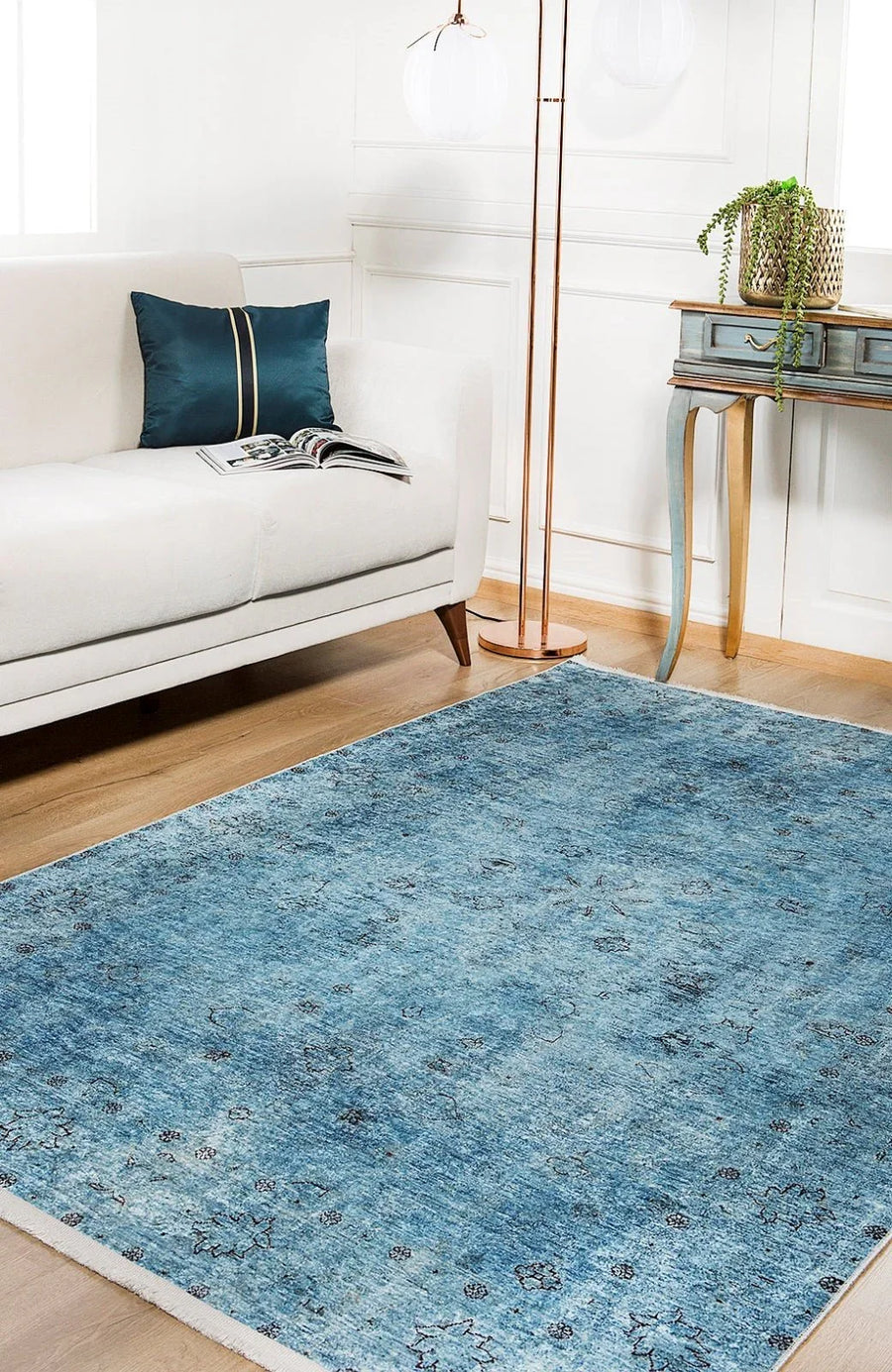

Blue Navy Distressed Bedroom Rug - Polyester
Choose your option


Ethnic Geometric Patterned Blue Red Digitally Printed Rug
Choose your option


Beige Brown Modern Living Room Rug Geometric - Polyester
Choose your option


Cream Geometric Patterned Embossed Polyester Rug
Choose your option


Dark Grey Rug with Geometric Pattern and Modern Design
Choose your option


Modern Design White Rug with Abstract Grey Pattern
Choose your option


Patchwork Pattern Red and Black Cotton Rug
Choose your option


Modern Beige Machine-Made Rug Brown Non-Shedding Woven Texture
Choose your option

Blue Striped Machine-Made Modern Rug
Choose your option

Striped Green Grey Modern Design Cotton Rug
Choose your option

Ethnic Geometric Pattern Cream Red Digitally Printed Rug
Choose your option

Modern Vintage Pattern Grey Anthracite Digitally Printed Rug
Choose your option

Abstract Patterned Grey and Blue Toned Digitally Printed Rug
Choose your option

Vintage Style Light Grey Abstract Patterned Digitally Printed Rug
Choose your option

Black Grey Geometric Pattern Digitally Printed Rug
Choose your option

White Grey Ethnic Geometric Digitally Printed Rug
Choose your option

Cream Navy Geometric Polyester Digitally Printed Rug
Choose your option

Orange Light Grey Geometric Pattern Digitally Printed Boho Rug
Choose your option
