

Many people worry when their new rug’s dustbin fills up after the first vacuuming. In most cases, this isn’t because the rug is faulty, but because cut pile fibers from manufacturing remain within the weave. These residual fibers surface during the first few weeks, after which shedding significantly decreases.
The first three to four weeks with a new rug
In cut-pile production, yarn ends are trimmed with scissors; the short remnants from this cutting cannot be entirely removed at the factory and will work their way to the surface with use. Therefore, vacuuming a new rug more frequently during the first few weeks, using low suction and with the brush roll turned off, will speed up this process. Shaking the rug outdoors during this period also helps; fibers dislodged by impact won’t wait for the vacuum. If you’re still seeing clumps of fibers after the fourth week, the situation is different, and you should contact us; our 12-month manufacturer warranty is specifically for these types of situations.
Which surfaces shed less
- Short pile: As the fiber length shortens, the free length that can break off decreases.
- Heat-set yarn: Heat-setting the twist delays the unraveling and fraying of the fiber.
- Looped surface: Since the loop ends are not cut, the number of free ends is low; this is usually the lowest-shedding group in this collection.
- Polypropylene and polyester: These machine-woven yarns shed less than short-staple natural fibers.
Don’t confuse shedding with wear
Shedding is when fibers detach and come out of the rug, and it decreases over time. Wear, on the other hand, is when fibers remain in place but become crushed, flattened, and dull; it increases over time. The two progress in opposite directions. If a new rug releases a lot of fibers, this is shedding and is temporary; if, after two years, the main traffic path is flattened and shiny, this is wear and will not revert on its own. Rotating your rug 180 degrees once a year delays the concentration of wear in a single area.
No rug is truly shed-free
The honest answer is: no textile surface is completely shed-free. The 7,700+ models on this page feature surfaces selected to have low shedding; they are not a product group guaranteed to be zero-shed. A rug shedding its own fibers and a rug trapping external dust are also separate issues; if you’re interested in the latter, the anti-allergenic rugs page is a more suitable starting point. For the correct vacuum head and suction setting, check out our rug care guide.

Gray Black Distressed Living Room Rug HLN1837 - Polyester
Choose your option

Modern Red Anatolian Patterned Polyester Digital Print Kitchen Rug
Choose your option

Navy Blue and Black Distressed Living Room Rug - Polyester
Choose your option
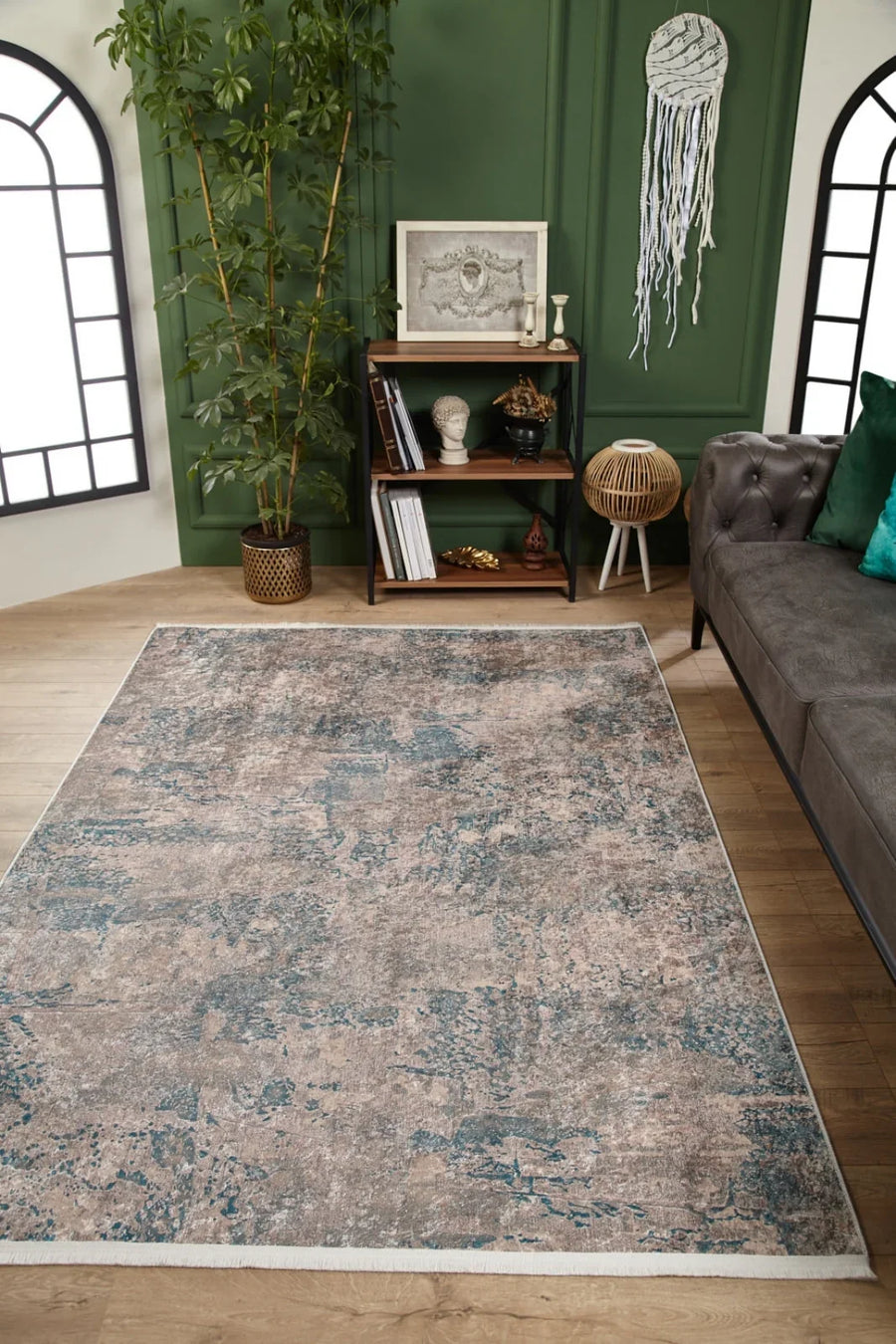
Beige Grey Modern Living Room Rug Abstract - Polyester
Choose your option
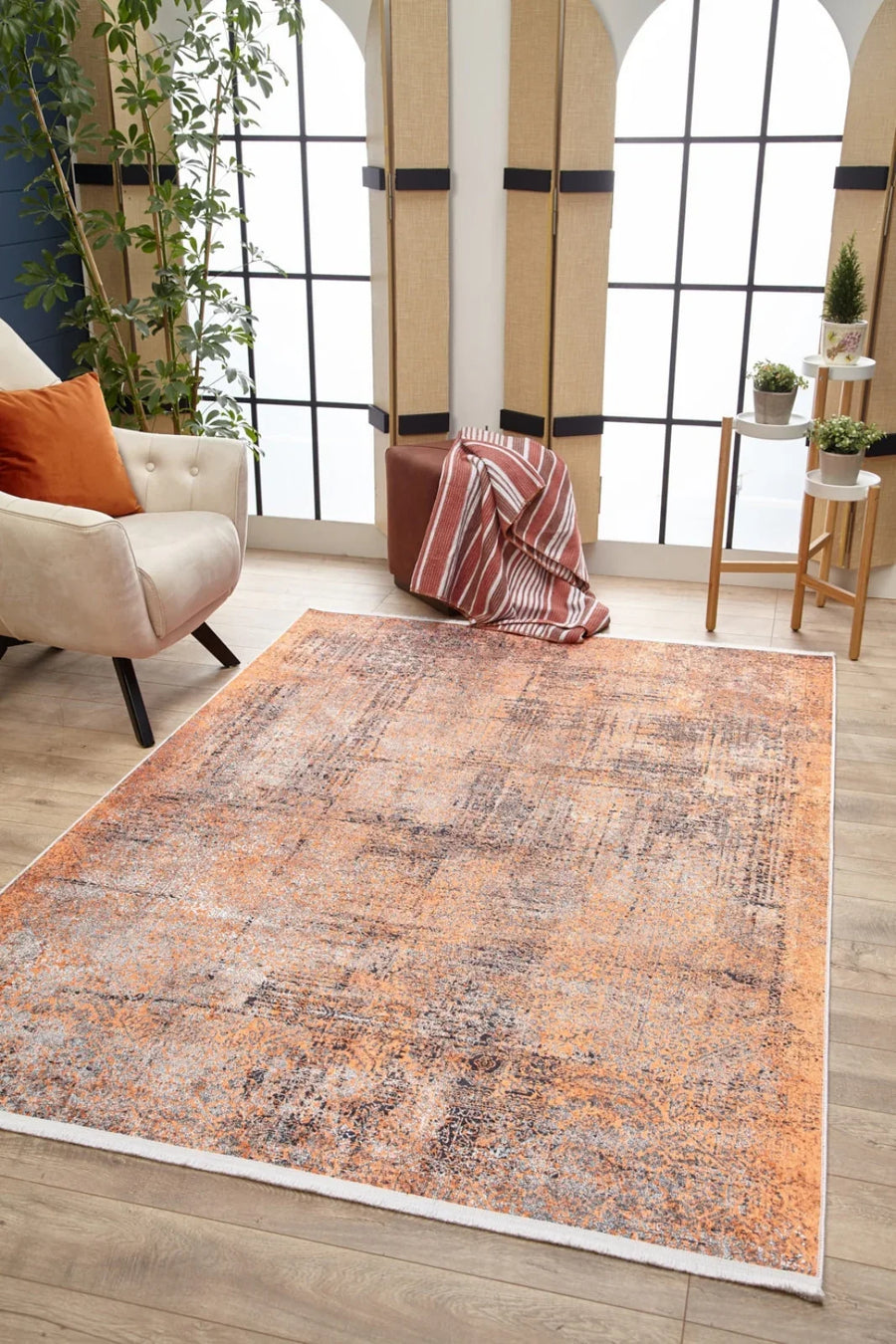
Tile Grey Modern Living Room Rug - Polyester
Choose your option

Blue Petroleum Geometric Modern Living Room Rug Polyester
Choose your option
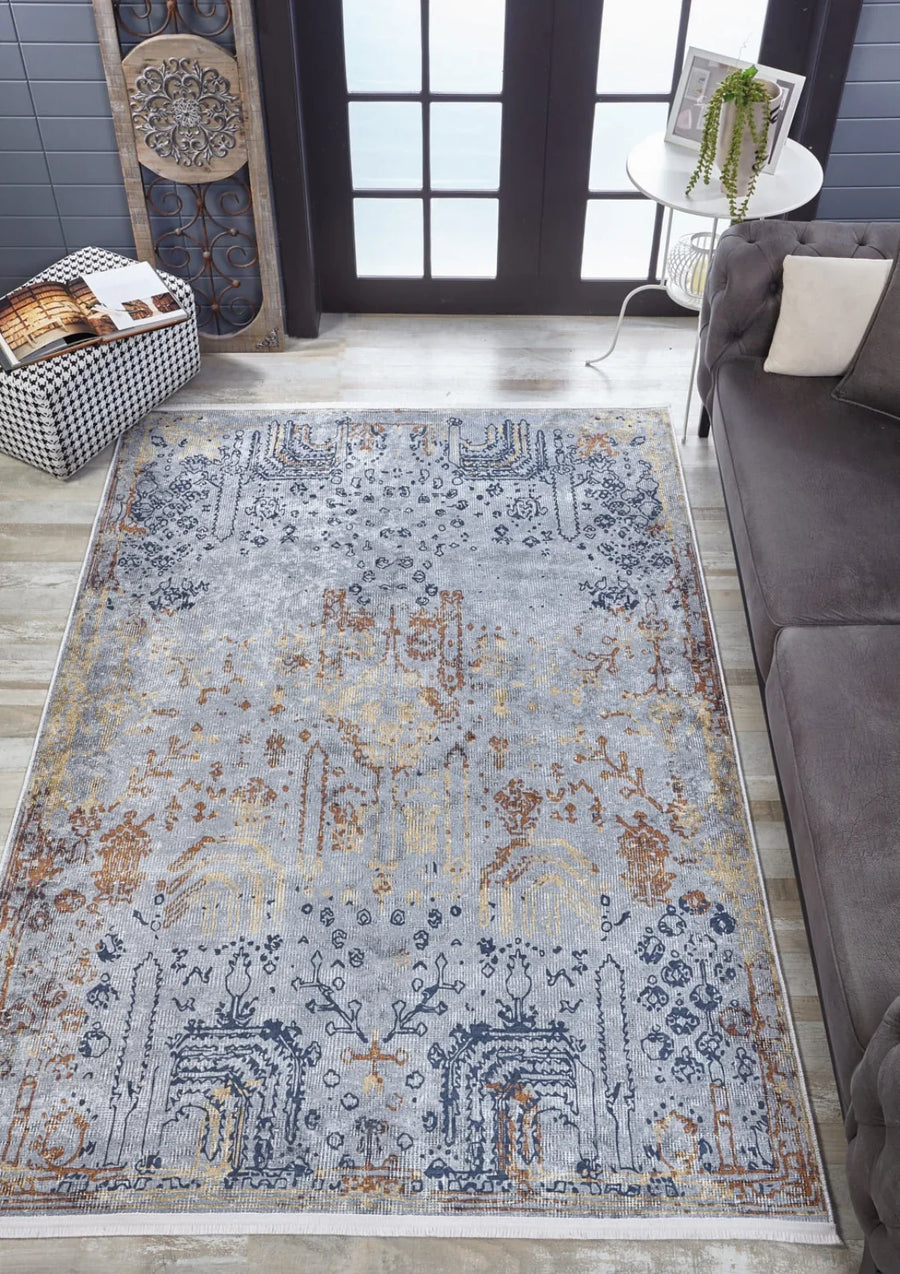
Grey Brown Distressed Living Room Rug - Polyester
Choose your option
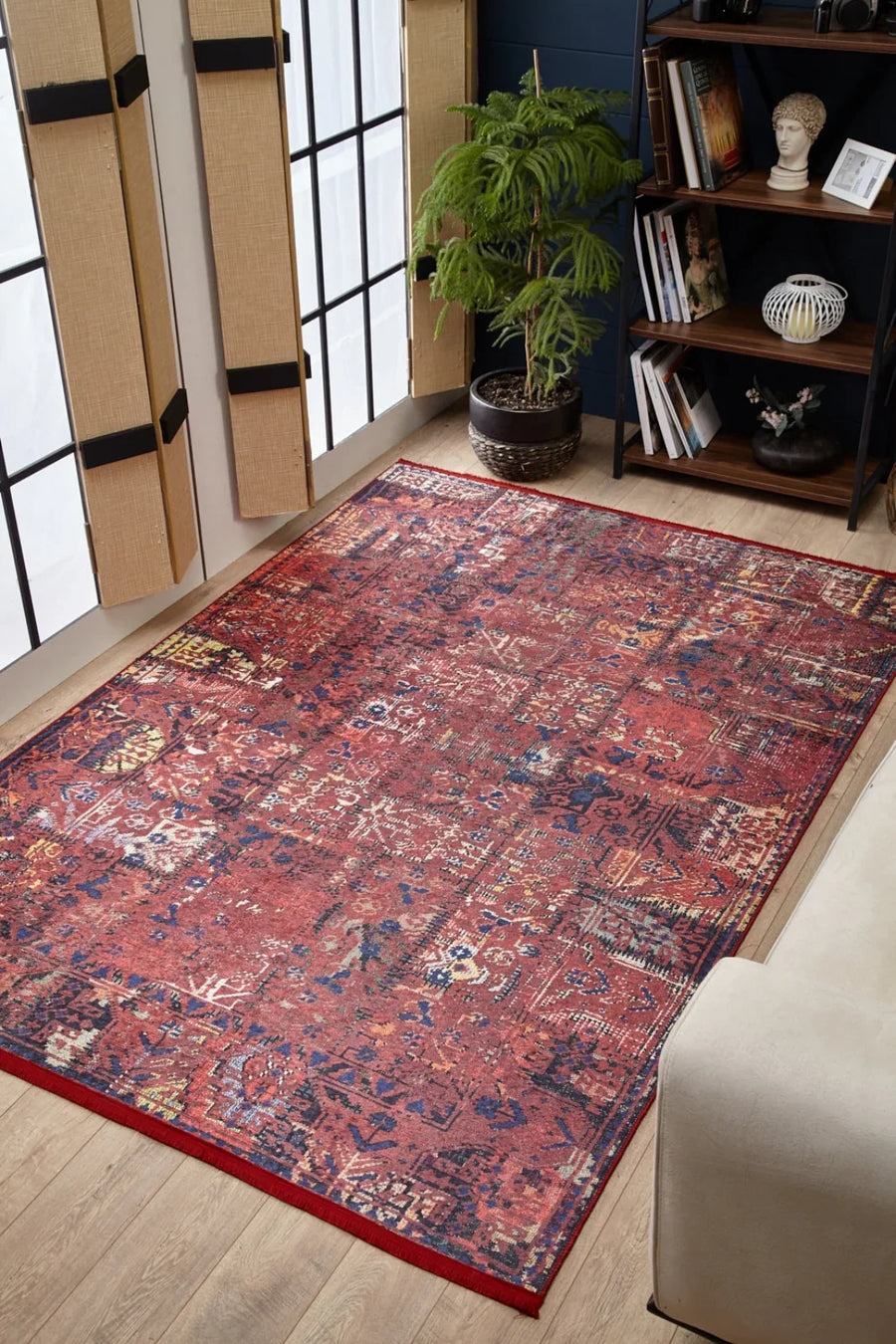
Red Blue Distressed Living Room Rug Traditional - Polyester
Choose your option
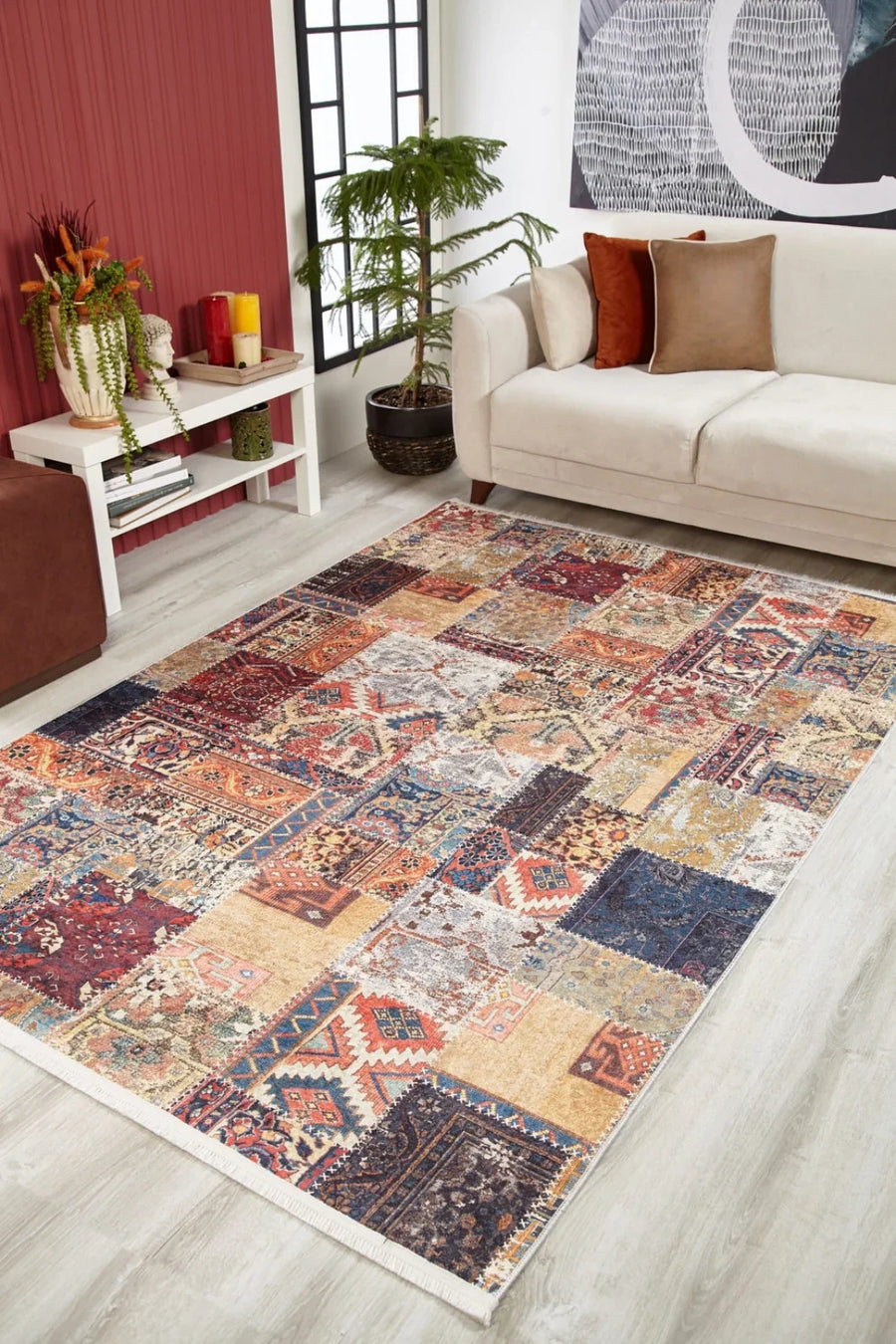
Red Orange Distressed Patchwork Living Room Rug - Polyester Machine Woven
Choose your option
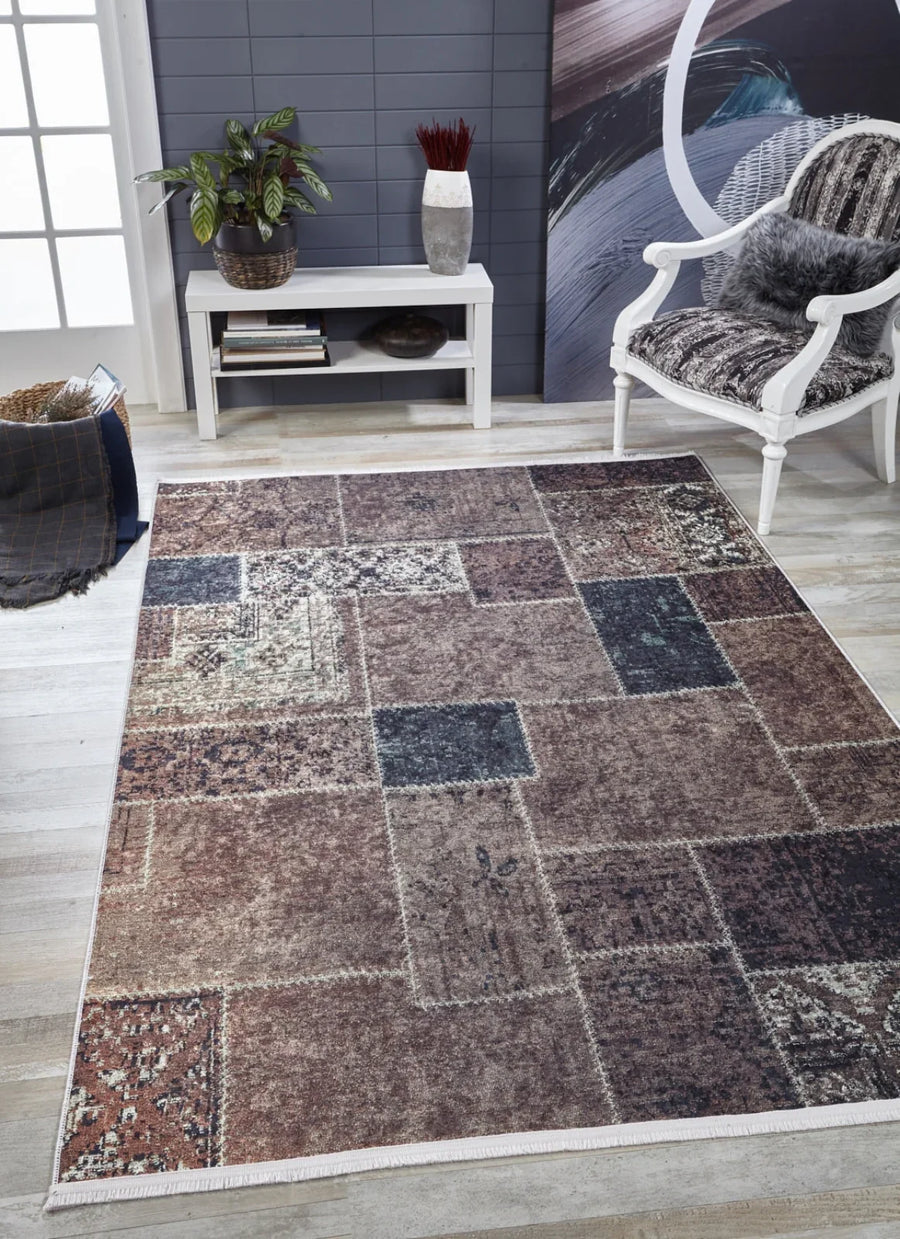
Brown Dark Blue Distressed Patchwork Living Room Rug
Choose your option
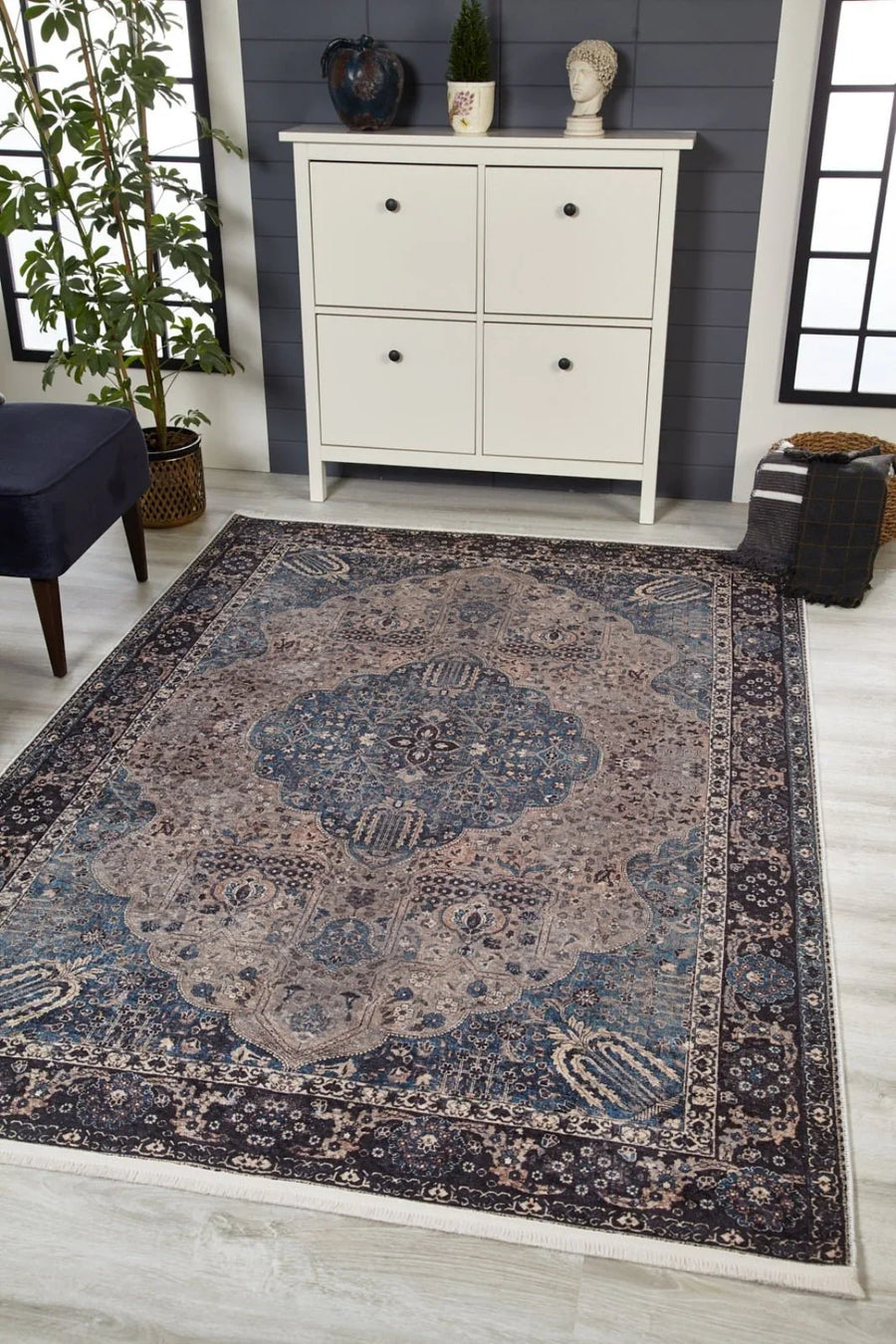
Blue Gray Distressed Medallion Living Room Rug - Polyester
Choose your option
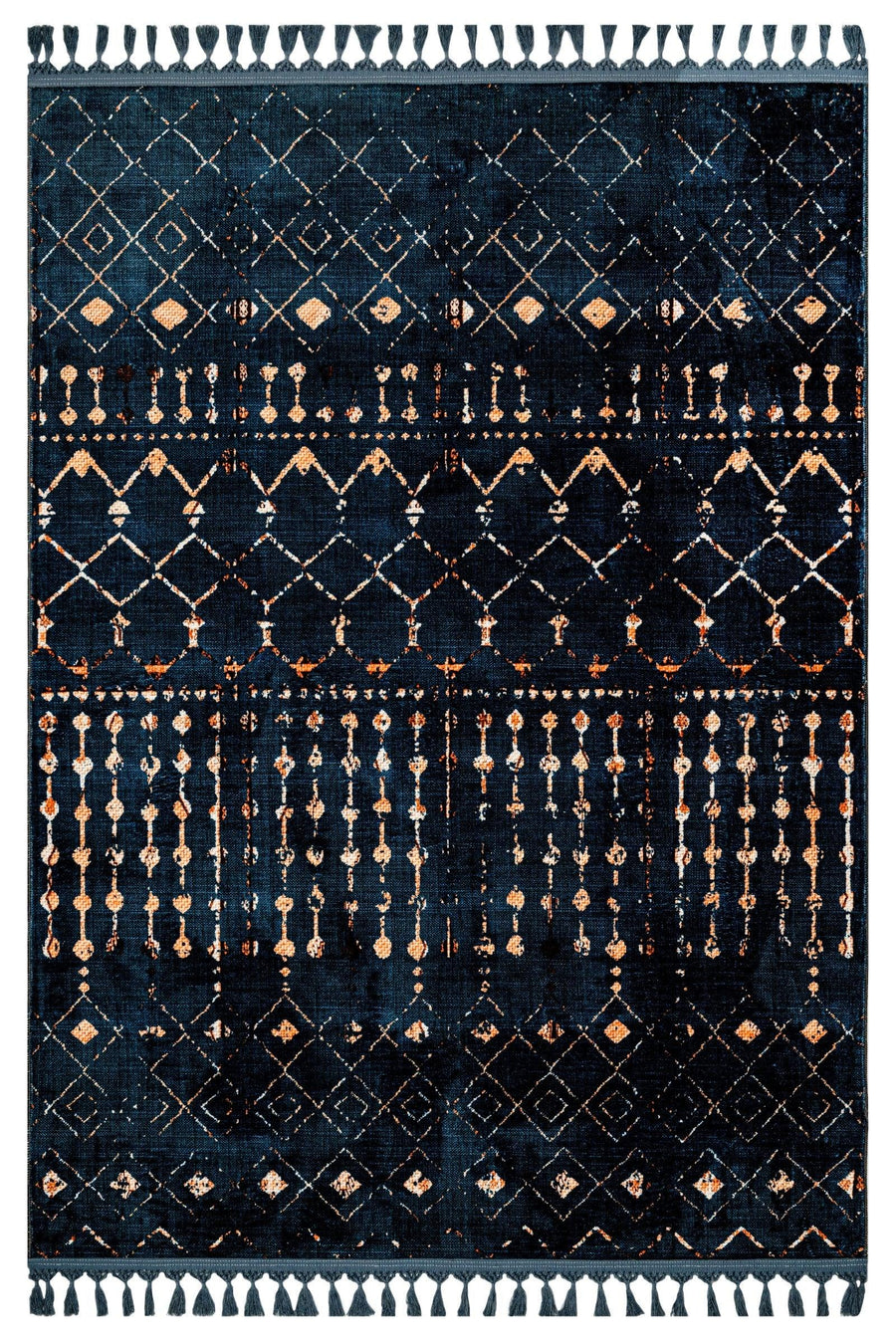
Navy Orange Distressed Geometric Living Room Rug
Choose your option
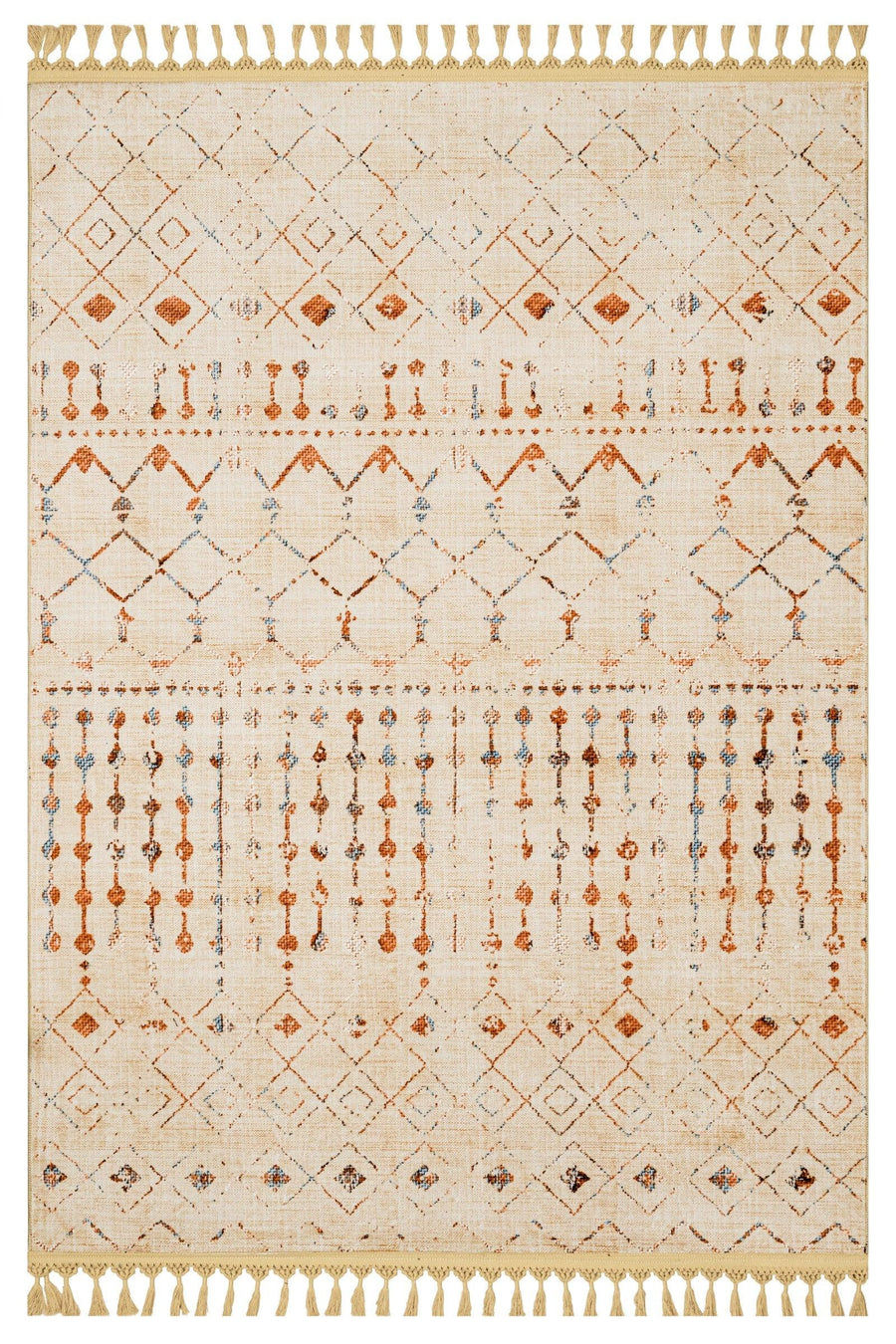
Beige Orange Bohemian Ethnic Living Room Rug - Polyester
Choose your option
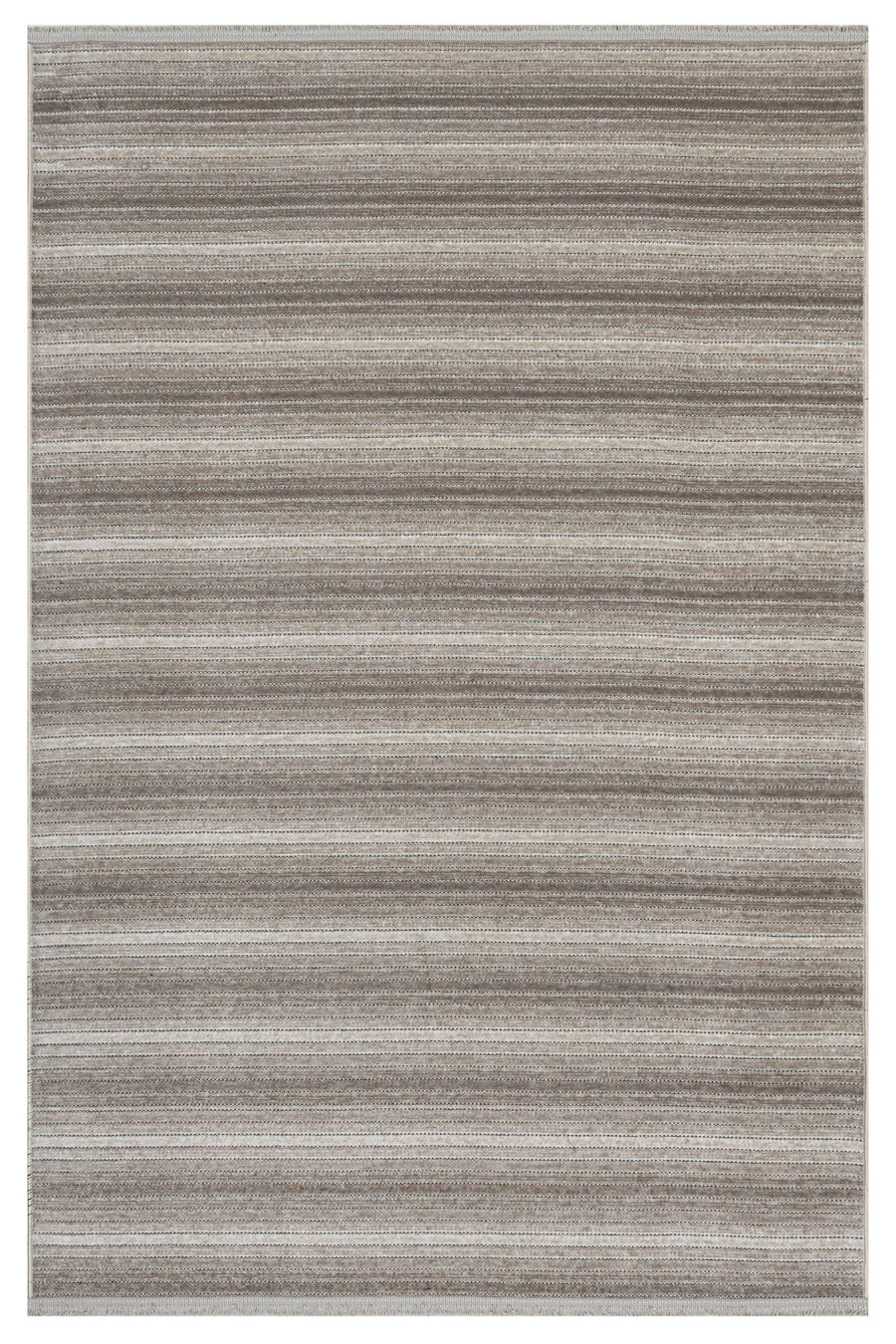

Beige Light Brown Modern Striped Living Room Rug - Cotton Machine Woven
Choose your option


Cream Light Gray Modern Geometric Living Room Rug Baklava - Polyester
Choose your option


Anthracite Grey Geometric Modern Living Room Rug - Polyester
Choose your option


Scharding Beige Modern Hand Woven Natural Jute Wicker Carpet
Choose your option


Beige Brown Modern Living Room Rug Geometric - Polyester
Choose your option


Light Gray Dark Gray Modern Living Room Rug - Acrylic Machine Woven
Choose your option


Beige Cream Modern Geometric Living Room Rug Beige - Polyester
Choose your option


Gray Modern Geometric Living Room Rug Squared - Polyester
Choose your option


Beige Black Living Room Rug - Polyester
Choose your option


Burgundy Blue Geometric Modern Living Room Rug Polyester
Choose your option

